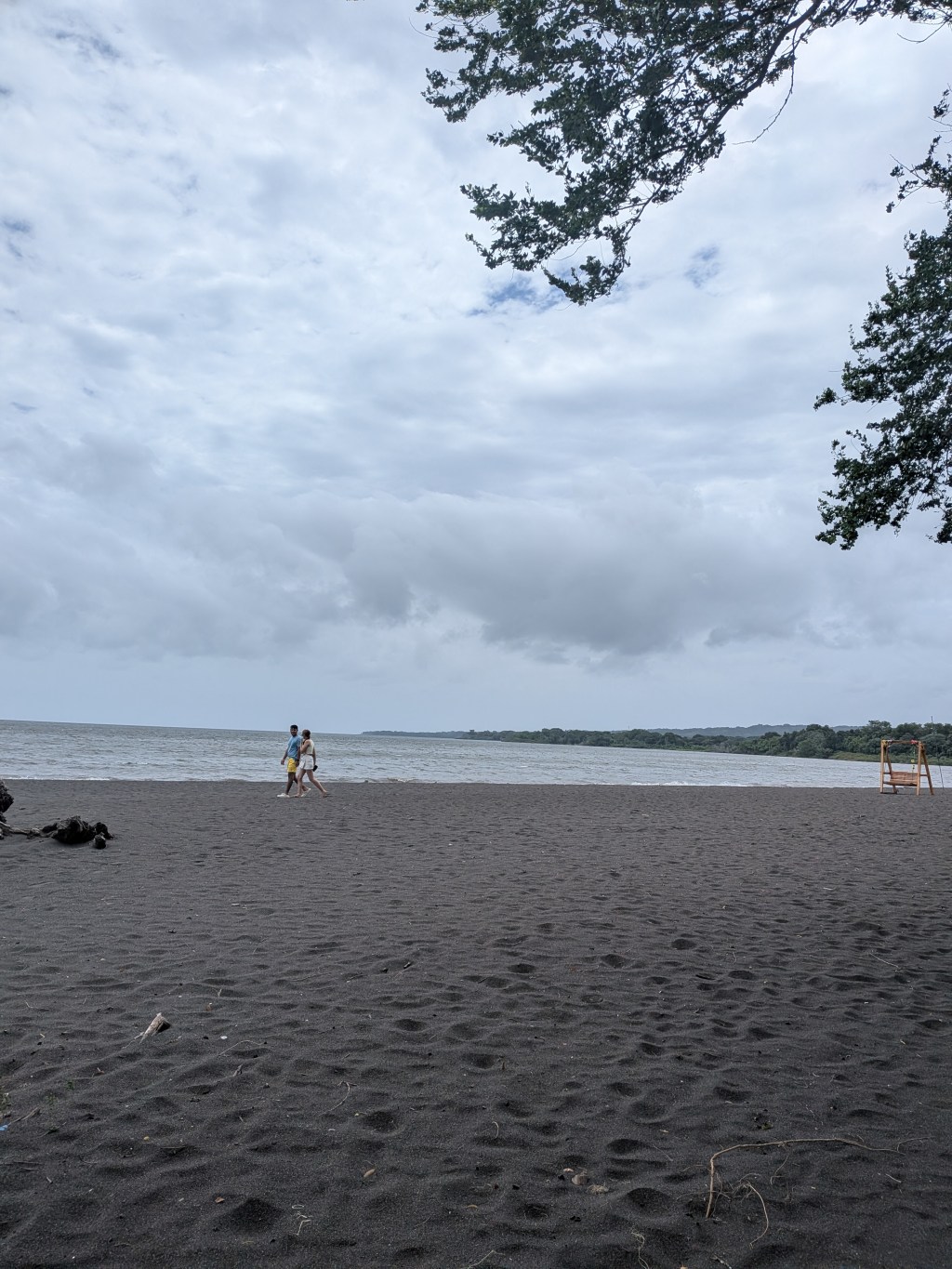
If you’re looking for an adventurous country where you can hike volcanoes, explore islands, relax on beaches and meet incredibly friendly locals without spending a fortune, Nicaragua should be high on your list.
I spent around two and a half weeks backpacking through Nicaragua, travelling from León → Granada → Managua → Ometepe → San Juan del Sur.
I travelled on a budget, stayed in hostels, used public transport, hitchhiked, ate local food and spent most days exploring rather than paying for expensive tours.
My average spending worked out at around £21.50 per day, although this varied depending on what activities I was doing.
This is my practical guide to backpacking Nicaragua, including where I stayed, what I did, how I got around, what things cost and the things I wish I’d known before arriving.
Is Nicaragua good for backpacking?
Absolutely.
For me, Nicaragua was one of the best countries I visited for combining adventure with a low budget.
You can spend your morning hiking a volcano, your afternoon swimming in a lake and your evening eating cheap local food or talking to people you’ve met along the way.
There are also plenty of opportunities to experience Nicaragua without spending much money.
Some of my favourite experiences were completely free.
I played football on the beach with locals, spent time relaxing on beaches and hitchhiked between destinations without paying for transport.
The locals were also one of my favourite parts of travelling around the country. I found people to be incredibly kind and helpful, and I was often surprised by how willing people were to help me work out where I needed to go.
One thing to be aware of is that English isn’t widely spoken, particularly outside tourist areas, so knowing some basic Spanish or having Google Translate available can make things much easier.
How much does it cost to backpack Nicaragua?
I spent approximately £21.50 per day on average.
That included my accommodation, food, transport and activities averaged across my trip.
Obviously, your spending will depend heavily on your travel style. You could spend considerably more by staying in private rooms, using taxis and tourist shuttles or taking lots of organised tours.
But if you’re happy with hostels, local food and public transport, Nicaragua can be very affordable.
My approximate daily budget
| Expense | Approximate daily cost |
| Accommodation | £6 |
| Food | £5 |
| Transport | £1.50 |
| Activities | £6 |
| Miscellaneous | £3 |
| Average total | £21.50 |
These figures are a rough representation of my overall spending rather than an exact daily breakdown.
Some days I spent very little, particularly when I was exploring independently or doing free activities. Other days were more expensive when I paid for activities such as volcano boarding or horse riding.
Activities I paid for
Here are some of the prices I encountered during my trip:
| Activity | Approximate price |
| Volcano boarding at Cerro Negro | $30 |
| Horse riding – 1 hour | $30 |
| Canoe trip on Ometepe | $8 |
| Renting a motorbike on Ometepe | ~$13/day |
| León church visit | $4 |
| Masaya National Park | £4 |
| San Ramón Waterfall | £4 |
| Ojo de Agua, Ometepe | £9 |
| Volcano entry fees | ~$5–$12 |
| Guided volcano tours | ~$30 |
| Beaches | Free |
| Football with locals | Free |
Prices can change, so use these as an indication of what I encountered rather than guaranteed current prices.
My Nicaragua backpacking route
I spent around two and a half weeks travelling through Nicaragua.
My route was:
🇳🇮 León → Granada → Managua → Ometepe → San Juan del Sur
I liked this route because it gave me a good mixture of cities, volcanoes, nature, island life and beaches.
1. León
León was my first stop in Nicaragua.
It was a great introduction to the country, particularly if you’re interested in history, architecture and volcanoes.
I stayed at:
Bigfoot Hostel
León is also a great base for some of Nicaragua’s most famous adventure activities.
One of the highlights for me was volcano boarding at Cerro Negro, which cost around $30.
If you’ve never tried it before, it’s basically exactly what it sounds like: you hike up the volcanic landscape and then ride down the volcano on a board.
It was one of the activities I would definitely recommend adding to a Nicaragua itinerary.
Other things I did in León
I also went up one of the churches in León, which cost around $4.
The views were worth it and it was a relatively inexpensive way of seeing the city from above.
Volcanoes around León
There are several opportunities to explore volcanoes around the León area.
Depending on the volcano and how you choose to visit, I found prices ranged from approximately $5–$12 for entry if visiting independently, while guided tours were around $30.
If you’re comfortable organising things yourself, travelling independently can save a significant amount of money.
2. Granada
From León I travelled to Granada.
Granada was completely different from León, with its colourful colonial architecture and historic centre.
I stayed at:
Hostal Azul
Granada is a good place to spend a few days simply wandering around, taking in the architecture and exploring the surrounding area.
It’s also a good base for visiting nearby attractions.
One thing I noticed throughout Nicaragua was that some of the best experiences weren’t necessarily the expensive ones. Walking around the city, eating local food and talking to people can be just as memorable as booking an expensive excursion.
3. Managua
Next on my route was Managua, the capital of Nicaragua.
I stayed at:
Oasis Hostel
Of all the places I visited in Nicaragua, Managua was my least favourite.
That doesn’t mean I think you should automatically skip it. It simply wasn’t the place that stood out to me compared with León, Ometepe or the coast.
If you’re travelling through Nicaragua, Managua can make sense as a transport stop, particularly depending on your route.
I wouldn’t personally allocate a huge amount of time to it unless you have specific reasons for wanting to explore the capital.
4. Ometepe
⭐ My favourite place in Nicaragua
Ometepe was easily my favourite destination during my trip.
The island is located in Lake Nicaragua and is dominated by two volcanoes: Concepción and Maderas.
The scenery is incredible and there is loads to do without feeling like you constantly have to book an organised tour.
I stayed at several different hostels while exploring Ometepe:
- Hostal Maria
- Tiki Hostel
- El Zopilote
Staying in different parts of the island gave me the opportunity to experience more of Ometepe rather than remaining in one location.
Renting a motorbike
One of my favourite ways to explore Ometepe was by motorbike.
Prices depended on where you rented from, but I paid around $13 per day.
Having your own transport gives you much more freedom to explore the island at your own pace.
Just make sure you’re comfortable riding before hiring one, and check the condition of the bike and what is included in the rental.
Canoe trip
I also did a canoe trip, which cost around $8.
It was another relatively inexpensive way to experience the island and surrounding nature.
Horse riding
I also went horse riding for an hour, which cost around $30.
This was more expensive than many of the other activities I did, but it was still a memorable experience.
San Ramón Waterfall
I visited San Ramón Waterfall, which cost around £4.
If you’re staying on Ometepe for several days, I’d definitely consider including it.
Ojo de Agua
Another popular stop was Ojo de Agua, which cost around £9 when I visited.
It’s a good option if you want something more relaxed after hiking or exploring.
Hiking the volcanoes
Ometepe is particularly appealing if you’re into hiking.
I climbed La Concepción and Madera Volcano both volcanoes on the island.
The difficulty of these hikes can be significant, so don’t underestimate them simply because they appear as popular tourist activities.
5. San Juan del Sur
My final destination was San Juan del Sur.
I stayed at:
Hostal Pachamama
San Juan del Sur is probably best known for its beaches, surfing and backpacker atmosphere.
While there are plenty of opportunities to spend money, you don’t have to.
Some of my favourite moments were simply relaxing on the beach.
And, unexpectedly, one of the memorable experiences was playing football on the beach with locals — completely free.
That’s something I really liked about Nicaragua.
You can have great experiences without constantly paying for activities.
The volcanoes I visited
One of the main reasons I wanted to visit Nicaragua was the volcanoes.
During my trip I visited:
- 🌋 Mombacho
- 🌋 La Concepción
- 🌋 Cerro Negro
- 🌋 Masaya
Each experience was different.
Some volcanoes can be visited relatively cheaply by paying an entrance fee and exploring independently, while guided trips can cost around $30.
Cerro Negro
Cerro Negro was particularly memorable because I did volcano boarding there.
Cost: approximately $30
Masaya
I also visited Masaya National Park, which cost approximately £4 when I went.
One thing to be aware of is that the price can increase significantly later in the afternoon, with the price doubling after around 4:30pm.
Check the current pricing and opening information before visiting because these details can change.
How to get around Nicaragua
This is one of the biggest things I wish I’d known before arriving.
Don’t rely entirely on Google Maps for buses.
The bus system can be confusing for travellers because timetables aren’t always easy to find online.
In my experience, the best way to find out how to get somewhere was simply to ask a local or ask your hostel.
This was often much more useful than trying to work it out online.
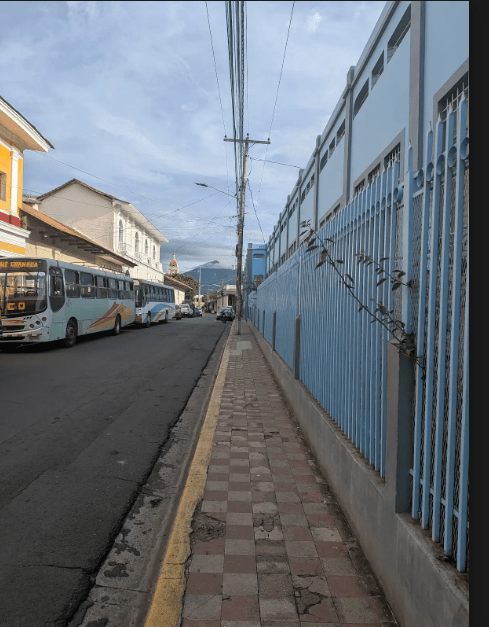
Chicken buses
Public buses were incredibly cheap.
I generally paid around $2, although prices varied depending on the journey.
One thing to be aware of is that tourists can sometimes be charged more than locals, so it’s worth asking your hostel or a local what the normal fare should be.
Where do you catch the bus?
This can be confusing.
Bus stops aren’t always obvious, and sometimes you’ll simply see people standing at the side of the road waiting.
If you see a large group of people waiting somewhere that doesn’t look like a traditional bus stop, there’s a good chance you’ve found the right place.
Another useful thing I learned is that buses can often drop you off near where you need to go.
Tell the driver where you’re going, and they’ll often let you know where to get off.
Food on buses
One thing I absolutely loved was that people regularly come onto the buses selling food and drinks.
You can pick up snacks and drinks while travelling, which made the journeys feel like part of the experience rather than simply a way of getting from A to B.
Hitchhiking in Nicaragua
Hitchhiking was another way I kept my transport costs down.
I found it surprisingly easy.
There were times when I wouldn’t wait more than five minutes before someone stopped.
Quite often we ended up travelling in the back of pickup trucks, which was an experience in itself.
However, there are some important things I’d recommend.
I always hitchhiked with a friend.
I felt comfortable doing it this way, but I would be more cautious about hitchhiking alone.
I also preferred to hitchhike outside cities, particularly on main roads, rather than standing in busy urban areas.
Use your judgement, trust your instincts and don’t get into a vehicle if something doesn’t feel right.
Hitchhiking isn’t risk-free, and what worked for me isn’t necessarily something everyone will feel comfortable doing.
Food in Nicaragua
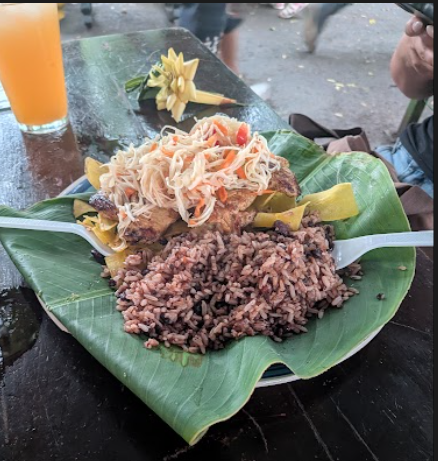
I spent around £5 per day on food on average, although I realised towards the end of my trip that I could have eaten more cheaply.
One of the biggest things I wish I’d known was where the cheap places to eat were.
I sometimes ended up spending more than I needed to because I didn’t know where the best-value local food was.
If you’re travelling on a tight budget, ask your hostel staff or locals:
“Where do you eat?”
rather than simply looking for the restaurants with the best reviews online.
Local restaurants and markets can be considerably better value than tourist-focused restaurants.
Is Nicaragua safe for backpackers?
I obviously can’t speak for every traveller or every situation, but personally, I felt safe during my trip.
I felt comfortable walking around at night and I felt safe using public transport.
I also found the locals to be extremely helpful and kind.
That said, feeling safe doesn’t mean you should ignore normal travel precautions.
Be aware of things like:
- Pickpocketing
- Leaving valuables unattended
- Leaving belongings somewhere for long periods
- Getting into unfamiliar situations while travelling alone
I particularly recommend keeping an eye on your belongings when you’re travelling or leaving bags in hostels and public places.
As with anywhere, use common sense and trust your instincts.
Travelling during rainy season
I travelled during the rainy season, and this definitely affected how I planned my days.
The biggest lesson I learned was:
Check the weather before deciding what you’re doing that day.
Rain can appear quickly, so I’d recommend carrying waterproof clothing and ideally waterproof shoes.
If it looks like a heavy shower is coming, find somewhere to take cover.
The good news is that rain showers can often stop surprisingly quickly, so don’t necessarily assume that one burst of rain has ruined your entire day.
Sometimes waiting it out is all you need.
The best thing about travelling Nicaragua
For me, it was the people.
I was constantly surprised by how helpful and friendly people were.
Even when there was a language barrier, locals were generally willing to help me figure out where I needed to go or how to get somewhere.
This was particularly useful with public transport.
I’d often ask someone:
“Which bus do I need?”
and they’d help point me in the right direction.
The experience also made me realise that you don’t always need Google to travel successfully.
Sometimes asking someone standing next to you is the best travel app there is.
My favourite experiences in Nicaragua
If I had to choose my highlights, I’d put these near the top:
🥇 Ometepe
The scenery, volcanoes, motorbike and overall atmosphere made this my favourite place.
🌋 Cerro Negro volcano boarding
A unique experience and one of the activities I’d recommend if you’re looking for something adventurous.
🥾 Hiking La Concepción
A challenging but memorable experience.
🚌 Travelling by local bus
Not necessarily glamorous, but it gave me a much more authentic experience of travelling around the country.
🏖️ Playing football with locals
Completely free and something I wouldn’t have been able to plan in advance.
🚗 Hitchhiking
Travelling in pickup trucks and meeting people along the way became part of the adventure.
What I wish I’d known before backpacking Nicaragua
After two and a half weeks travelling through the country, these are the things I’d tell someone before they leave.
1. Ask locals about buses
Don’t expect Google Maps to give you everything you need.
Ask your hostel where the bus leaves from, what it costs and roughly when it comes.
2. Learn where locals eat
I spent more money on food than I needed to because I didn’t always know where the cheap places were.
3. Plan around the rain
Especially during rainy season.
Check the forecast each morning and be prepared to change your plans.
4. Bring waterproof gear
Waterproof shoes and a lightweight waterproof jacket can make a huge difference.
5. Don’t underestimate the volcanoes
They look incredible, but some hikes are physically demanding.
Research the route and conditions before setting off.
6. Leave some space in your itinerary
Some of my favourite experiences weren’t planned.
Playing football with locals, hitchhiking and discovering places along the way were all part of what made the trip memorable.
7. Don’t be afraid to ask for help
The language barrier can make things feel more difficult initially, but people were generally incredibly helpful.
My Nicaragua backpacking budget
My average spending worked out at approximately:
£21.50 per day
That made Nicaragua one of the more affordable destinations for the type of trip I wanted.
I stayed in hostels, ate relatively cheaply, used public transport and hitchhiked, while still paying for activities such as volcano boarding, horse riding and motorbike rental.
Over approximately two and a half weeks, that gives a rough trip spending figure of:
Around £375–£400
This is an estimate based on my average daily spending and isn’t an exact record of everything I spent.
It also doesn’t necessarily include international flights or every one-off travel expense, so use it as an indication of my day-to-day backpacking costs rather than a complete trip price.
Final verdict: Is Nicaragua worth visiting?
Yes — I would absolutely recommend Nicaragua to budget backpackers.
If you’re looking for somewhere where you can combine volcanoes, hiking, beaches, wildlife, cities and adventure without spending huge amounts of money, Nicaragua is an excellent option.
For me, Ometepe was the highlight, but every destination offered something different.
The biggest surprise wasn’t even the scenery or the activities. It was how easy I found it to get around once I stopped relying on apps and started simply asking people.
The buses might not have obvious timetables.
The stops might not look like bus stops.
You might find yourself sitting in the back of a pickup truck after hitchhiking.
And someone might climb onto your bus to sell you food.
But that’s exactly what made the trip memorable.
If you travel Nicaragua with an open mind, keep your budget under control and don’t mind occasionally figuring things out as you go, you can have an incredible adventure without spending a fortune.
Adventure doesn’t have to cost a fortune.
 Adventure For Less
Leave a comment