Egypt is one of those countries where it can feel like you’re walking through history everywhere you go.
One minute you’re wandering through busy streets filled with food, street sellers and people going about their daily lives. The next, you’re standing in front of monuments that have existed for thousands of years.
I spent two weeks backpacking through Egypt, travelling from:
Alexandria → Cairo → Luxor → Aswan
I travelled during January, taking advantage of the quieter off-season and finding a relatively cheap flight.
My average spending was around $30–$50 per day, with roughly $35 per day being a realistic budget based on my trip.
Egypt wasn’t always the easiest country to travel through. Cairo was chaotic, tourist scams were common and I often wished I’d learned more Arabic before arriving.
But the history, food, people and experiences made it completely worthwhile.
If you’re interested in history and want to experience Egypt without spending a fortune, this is my practical guide to backpacking Egypt on a budget.
🇪🇬 Egypt at a glance
| Trip length | 2 weeks |
| Route | Alexandria → Cairo → Luxor → Aswan |
| Average budget | ~$35 per day |
| Best for | History, culture, food & adventure |
| Favourite destination | Aswan |
| Least favourite | Cairo |
| Best budget tip | Use local transport, inDrive & student discounts |
| When I visited | January |
| Travel style | Hostels + independent travel |
Is Egypt good for backpacking?
Yes.
Egypt is an excellent country for backpackers, particularly if you’re interested in history.
There is an enormous tourism industry, meaning there are plenty of hostels, tours, transport options and tourist facilities in the main destinations.
At the same time, you don’t need a huge budget to experience the country.
I stayed in hostels, used local transport, negotiated taxi prices, ate local food and explored many places independently.
I also found that some of the best experiences didn’t cost much money at all.
The main thing I’d say is that Egypt can be intense.
The cities are busy, traffic can be chaotic and you’ll encounter plenty of people trying to sell you things, particularly around tourist attractions.
But once you understand that this is part of travelling in Egypt, it becomes much easier to deal with.
💰 How much does it cost to backpack Egypt?
I spent approximately:
$30–$50 per day
My average was around:
$35 per day
This isn’t an exact calculation of every single day, but it’s a realistic average of what I spent during my two-week trip.
Your budget could be considerably higher if you’re taking organised tours, staying in private accommodation, using taxis everywhere or booking a Nile cruise.
However, if you’re willing to travel independently, stay in hostels and eat local food, Egypt can be surprisingly affordable.
How I kept my costs down
- Stayed in hostels
- Travelled during January
- Used local transport
- Used inDrive to negotiate taxi prices
- Took the sleeper train
- Ate local food
- Used student discounts
- Explored independently
- Avoided expensive organised tours where possible
🗺️ My Egypt backpacking route
My two-week route was:
🇪🇬 Alexandria
↓
🇪🇬 Cairo
↓
🇪🇬 Luxor
↓
🇪🇬 Aswan
This gave me a good mixture of different sides of Egypt.
Alexandria gave me a taste of Egypt’s Mediterranean side, Cairo was the chaotic historical centre, Luxor was packed with ancient sites and Aswan was where I found a slower and more relaxed atmosphere.
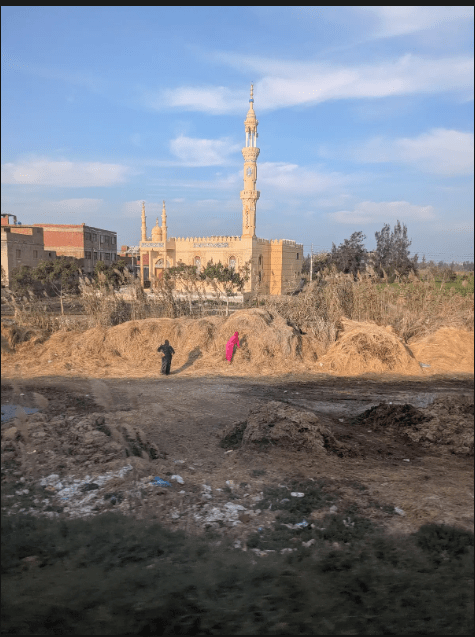
1. Alexandria
Alexandria was my first stop.
It is a very different experience from the cities further south and sits on Egypt’s Mediterranean coast.
I found that there were fewer hostel options than in Cairo, Luxor or Aswan, so I stayed in an Airbnb.
Alexandria is a great option if you have enough time to explore more than the standard Egypt route.
There is a huge amount of history around the city, including archaeological sites and museums.
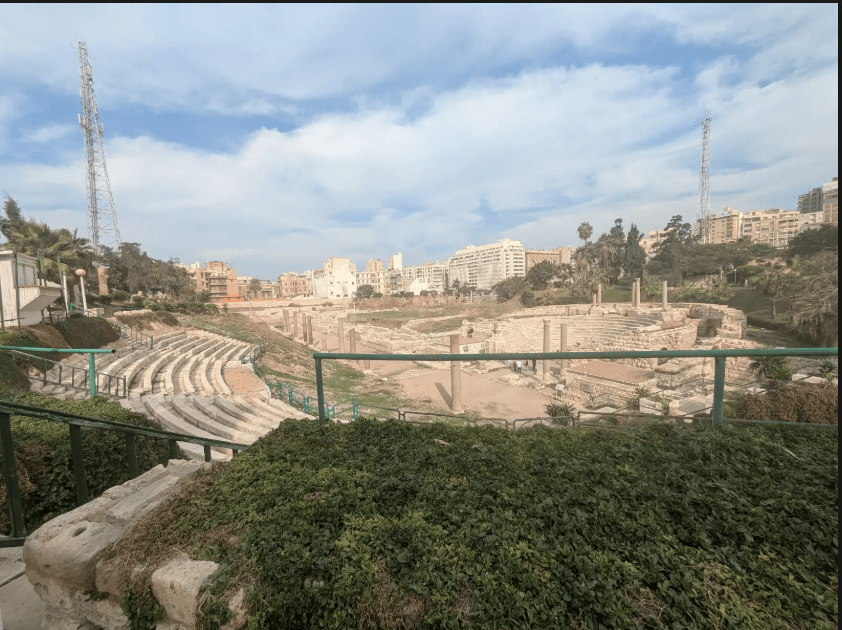
Alexandria National Museum
I visited the Alexandria National Museum.
The price I encountered was approximately:
100–200 EGP
Prices can change, so check the current price before visiting.
2. Cairo
Cairo was my least favourite place in Egypt.
But I still think:
You absolutely have to visit it.

Cairo is probably one of the busiest cities I’ve experienced while travelling.
The traffic can be unbelievable.
Getting across the city can take a huge amount of time, and the streets can feel chaotic.
But at the same time, they’re full of:
- History
- Food
- Mosques
- Museums
- Street sellers
- Archaeological sites
- Curious people
- Incredible architecture
For anyone interested in history, Cairo is almost impossible to skip.
Where I stayed in Cairo
I stayed at:
Sunset Hostel
I really liked the hostel.
It was clean, comfortable and in a good location for exploring the city and arranging tourist activities.
I felt safe there and got a good night’s sleep.
🏛️ Museums and archaeological sites in Cairo
There is an enormous amount to see in Cairo.
When I visited, the Grand Egyptian Museum was still under construction, so I didn’t get to visit it.
There were still plenty of other museums and archaeological sites available.
One of the best budget tips I discovered was:
🎓 Bring your student card.
I was able to get student discounts at the museums and archaeological sites I visited.
This can make a surprisingly large difference when you’re visiting multiple attractions.
The official Egyptian tourism information also currently lists separate foreign student prices at many archaeological sites. For example, the current Giza Plateau area ticket is EGP 700 for foreign adults and EGP 350 for foreign students.
🕌 Exploring Cairo’s mosques
One of my favourite things about Egypt is that you don’t necessarily have to spend money to experience incredible architecture.
I found that many mosques were free to enter, although there are exceptions.
For example, the Mosque of Muhammad Ali is within the Cairo Citadel, which is a paid attraction.
The current official Ministry of Tourism and Antiquities information lists the Citadel separately as a ticketed site.
So if you’re travelling on a budget, exploring Cairo’s mosques can be a fantastic way to experience some incredible architecture without paying an entrance fee at every stop.
Always check the current rules for the particular site you’re visiting.
3. Luxor
After Cairo, I travelled south to Luxor.
Luxor is a much smaller and more manageable city than Cairo, but it is absolutely packed with ancient Egyptian history.
It’s a bustling city that is increasingly developing around tourism.
If you’re interested in ancient Egypt, I’d definitely include Luxor in your itinerary.
🏨 Where I stayed in Luxor
I stayed at:
Nile Hostel
This was one of my favourite hostels of the trip.
It had a really nice social atmosphere, and the Nile was very close.
The location was also convenient for arranging tourist activities.
I felt safe, slept well and enjoyed meeting other travellers there.
🏺 Luxor Temple
I visited Luxor Temple during my trip.
Price I paid:
500 EGP
Prices can change, so use this as the price I encountered rather than a current price guarantee.
The site remains one of the major attractions in Luxor and is exactly the sort of place that makes Egypt such an incredible destination for history lovers.
🏺 Valley of the Kings
The Valley of the Kings was another major highlight.
Price I paid:
750 EGP
The Valley contains the tombs of numerous New Kingdom pharaohs and is one of the most famous archaeological sites in Egypt.
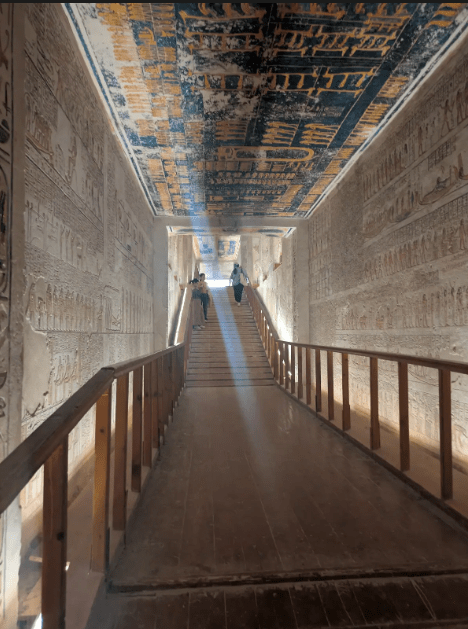
Tutankhamun’s Tomb
If you specifically want to visit Tutankhamun’s Tomb, be aware that it can require an additional ticket.
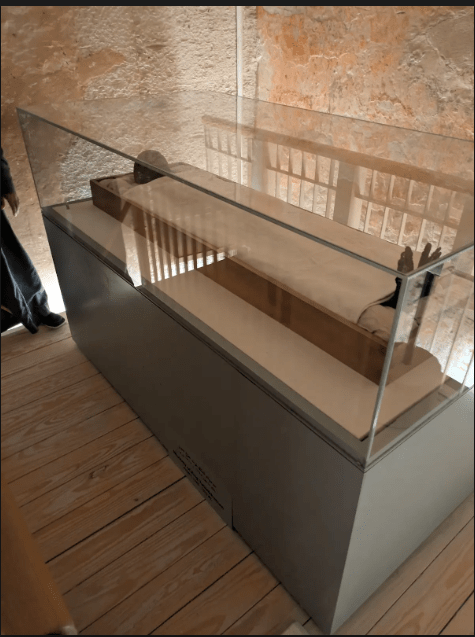
Price I paid:
700 EGP extra
The current official Ministry of Tourism and Antiquities site also lists Tutankhamun’s Tomb at EGP 700 for foreign adults and EGP 350 for foreign students, so the price I encountered is still useful as a reference.
Budget tip
If you’re trying to keep your costs down, check which tombs and attractions are included in your main ticket before paying for extras.
4. Aswan
⭐ My favourite place in Egypt
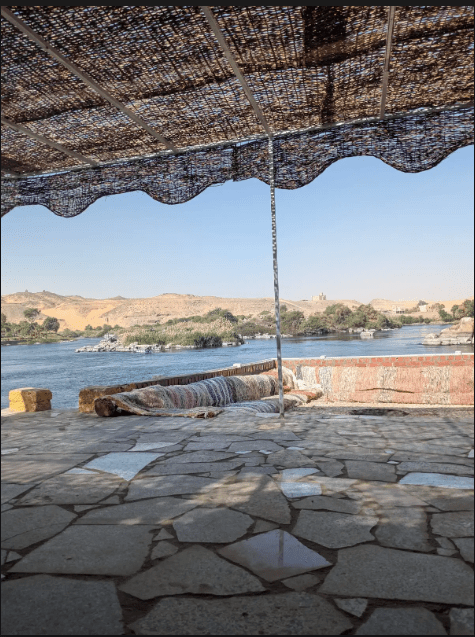
Aswan was my favourite destination during the trip.
Compared with Cairo, it felt considerably more relaxed while still having loads of history and things to explore.
The Nile dominates the area and gives the city a completely different atmosphere.
🏨 Where I stayed in Aswan
I stayed at:
David Hostel
The hostel had good social areas and a relaxed atmosphere.
The owner was also incredibly friendly and helpful.
Like the other hostels I stayed at, I felt safe, slept well and found the location useful for exploring the area and arranging activities.
🏺 Abu Simbel
One of the major attractions around Aswan is Abu Simbel.
Price I encountered:
750–822 EGP
The exact amount can depend on the circumstances of your visit and the ticket you’re purchasing.
The current official Ministry of Tourism and Antiquities site lists the foreign adult entrance price at 750 EGP, with a separate student price of 375 EGP.
Abu Simbel is one of the places I’d consider essential if you have enough time in southern Egypt.
🚢 Should you take a Nile cruise?
A Nile cruise is one of the classic ways to travel between Luxor and Aswan.
I didn’t take one, mainly because of the cost.
Plenty of other travellers I met did, and it is clearly a popular way of experiencing Egypt.
If your budget allows it, a Nile cruise could be an incredible experience.
For me, it wasn’t something I wanted to spend my limited budget on.
I’d rather travel independently and spend the money elsewhere.
🛶 Other activities
There are plenty of other ways to experience the Nile.
Canoeing is another option, although I didn’t have enough time to do it during this trip.
That’s one reason I’d like to return to Egypt.
Two weeks simply wasn’t enough.
🚗 How to get around Egypt
Transport in Egypt can sometimes be an adventure in itself.
inDrive
One of the most useful apps I discovered was inDrive.
I liked it because you can negotiate the price of your journey.
This made it particularly useful when I was trying to keep my costs down.
Uber
Uber can also be useful, but I found that it didn’t always work for me.
Having another option like inDrive was therefore really helpful.
🚆 The Cairo–Aswan sleeper train
One of my favourite ways of travelling around Egypt was the sleeper train from Cairo to Aswan.
I really enjoyed the experience.
Travelling overnight also means you’re not necessarily losing an entire day to transport.
For backpackers, overnight transport can also potentially save the cost of another night’s accommodation.
I’d definitely consider taking the train if you’re following a similar route.
🍲 Egyptian food
The food was one of my favourite parts of travelling through Egypt.
I found halal food very easy to find and the food was full of flavour.
Some of my favourites included:
Koshari
One of Egypt’s most famous cheap meals.
Rice, pasta, lentils, sauce and crispy onions make this an incredibly filling option for budget travellers.
Kofta
Seasoned minced meat cooked over a grill
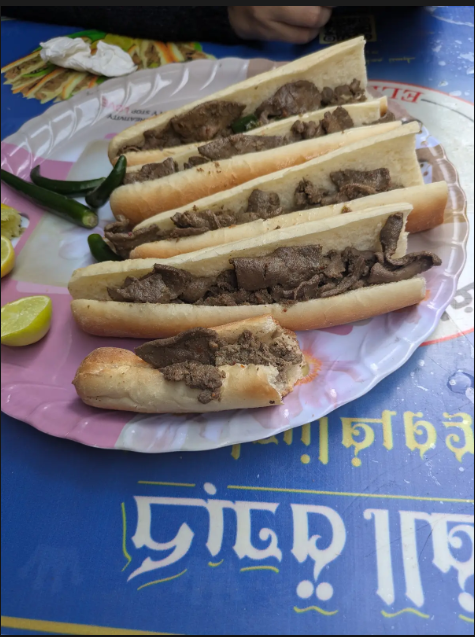
Kebab
Another great option when you’re looking for something filling and inexpensive.
Shawarma
A classic street-food option that I ate regularly.
Pigeon stuffed with rice
One of the more unusual dishes I tried was pigeon stuffed with rice.
And honestly?
It was lovely.
If you’re travelling through Egypt, I’d definitely recommend trying some dishes that you wouldn’t normally eat at home.
🛍️ Dealing with scams and street sellers
This is probably the biggest warning I’d give someone visiting Egypt.
There are some genuinely lovely people in the country who were incredibly kind and helpful to me.
But:
You can’t automatically trust everyone you meet.
Tourist scams and aggressive selling are common, particularly around major attractions.
I often found that the best strategy was simply to keep walking.
If someone was trying to sell me something I wasn’t interested in, I’d often walk quickly and ignore them rather than stopping for a conversation.
That isn’t necessarily how everyone will want to travel, but I found it helped avoid being drawn into unwanted situations.
A few rules I’d recommend:
- Know the price before agreeing to anything
- Don’t feel pressured into buying something
- Be cautious when someone offers unsolicited help
- Keep an eye on your belongings
- Carry small amounts of cash
- Don’t assume every friendly offer is completely free
- Trust your instincts
The scams can be frustrating, but they shouldn’t stop you from visiting Egypt.
Once you’re expecting them, they’re much easier to handle.
🗣️ Learn some Arabic
One of my biggest regrets was not learning more Arabic before going.
You don’t need to become fluent.
Even learning a few basic phrases would have made the trip easier.
I’d recommend learning:
- Hello
- Thank you
- Please
- Yes
- No
- How much?
- Too expensive
- Where is…?
- No, thank you
Even a small amount of Arabic can make everyday interactions easier.
💰 Be prepared to tip
Something I wasn’t expecting was how frequently tipping was expected.
You may find yourself being asked for a small tip for seemingly minor services.
For example, someone might help tie a headscarf or assist with something and then expect a small amount of money.
This can be frustrating if you’re not expecting it.
My advice:
Carry small notes and coins.
That way, you can give a small tip when necessary without having to hand over a large note.
🚽 Bring toilet paper
This is one of those ridiculous travel tips that is actually incredibly useful.
Bring toilet paper.
You may come across toilets where toilet paper isn’t provided or where you’re expected to pay a small amount to use the facilities.
Having some tissues or a small roll in your day bag is an easy way to avoid an annoying situation.
🛡️ Is Egypt safe for backpackers?
I personally felt safe during my trip.
I stayed in hostels, used public transport and walked around the cities without experiencing any major safety problems.
I also had good experiences with many locals, who were kind and helpful.
However, I would distinguish between feeling physically safe and being able to trust everyone you meet.
I wouldn’t.
The biggest issue I experienced was generally dealing with scams, aggressive selling and people trying to make money from tourists.
As with anywhere, use common sense.
My basic safety advice:
- Keep valuables secure
- Watch your belongings in crowded areas
- Don’t leave bags unattended
- Be cautious around tourist attractions
- Don’t automatically accept offers from strangers
- Know what you’re agreeing to before paying
- Trust your instincts
Female travellers
My experience is based on travelling as a male, so I can’t speak personally about the female experience.
From conversations and experiences I’ve heard from female travellers, harassment can be more common and the experience can be more difficult for women.
If you’re a female traveller planning Egypt, I’d recommend researching recent experiences from other women and taking their advice into account when planning your trip.
🎓 Student discounts
If you’re a student:
Bring your student ID.
This was one of the best budget tips I discovered.
I received student discounts at museums and archaeological sites I visited.
Current official ticket information also shows substantial foreign-student discounts at a number of sites. For example, the current Abu Simbel price is EGP 750 for foreign adults versus EGP 375 for students.
Similarly, the official Giza Plateau information currently lists EGP 700 for foreign adults and EGP 350 for foreign students.
If you’re eligible, always ask about student pricing before paying.
🎟️ Egypt attraction prices
These are the prices I encountered during my trip.
All prices are in Egyptian pounds (EGP).
| Attraction | Price I encountered |
|---|---|
| Alexandria National Museum | 100–200 EGP |
| Luxor Temple | 500 EGP |
| Valley of the Kings | 750 EGP |
| Tutankhamun’s Tomb | 700 EGP extra |
| Abu Simbel | 750–822 EGP |
Important
These are historical prices from my trip, not guaranteed current prices.
Egyptian attraction prices change, so check the official Ministry of Tourism and Antiquities information before visiting.
The current official listings show, for example, EGP 750 for foreign adults at Abu Simbel and EGP 700 for Tutankhamun’s Tomb.
🕌 What about mosques?
One of the best things about exploring Egypt is that many mosques don’t require a separate entrance fee.
I found that most mosques I visited were free, although there are exceptions.
The Mosque of Muhammad Ali is the obvious example because it is within the Cairo Citadel, which is a ticketed attraction.
The current official Ministry of Tourism and Antiquities information lists the Citadel as a paid site, while several individual Islamic sites have their own entrance arrangements.
If you’re travelling on a budget, exploring Cairo’s mosques can therefore be an excellent way to experience Egypt’s Islamic architecture without constantly paying for attractions.
Always check the current entry rules before visiting.
🌡️ Why I chose January
I travelled to Egypt in January.
One of the main reasons was that I found a relatively cheap flight by travelling during the off-season.
Travelling outside the busiest periods can be a good way of reducing your overall trip cost.
It can also make exploring historical sites more comfortable than travelling during the hottest parts of the year.
If you’re flexible with dates, I’d recommend checking prices across several months before booking your flights.
🏜️ Where I’d go next
Two weeks wasn’t enough.
There are several parts of Egypt that I still want to explore.
If I return, I’d particularly like to visit:
Siwa Oasis
I’d like to spend more time exploring Egypt’s desert and oasis regions.
Siwa is high on my list for a future trip.
Dahab
I’d also like to visit Dahab and experience more of Egypt’s Red Sea coastline.
Sharm El Sheikh
Sharm El Sheikh is another place I’d like to explore, particularly for the Red Sea and its marine life.
I’d rather return and explore these places properly than try to cram everything into one rushed trip.
⭐ My favourite and least favourite places
🥇 Favourite: Aswan
Aswan was my favourite destination.
I loved the slower pace, the Nile and the combination of history and everyday life.
It felt much more relaxed than Cairo while still offering plenty to explore.
😬 Least favourite: Cairo
Cairo was my least favourite because of the traffic, crowds and general chaos.
But I’d still say:
Don’t skip Cairo.
If you’re interested in history, there is simply too much to miss.
💡 What I wish I’d known before backpacking Egypt
If I could give myself advice before the trip, it would be:
1. Learn some Arabic
Even basic phrases would have helped.
2. Bring toilet paper
You will thank yourself.
3. Carry small change
You’ll encounter situations where tipping is expected.
4. Be prepared for scams
Especially around major tourist attractions.
5. Use inDrive
It was incredibly useful for negotiating transport prices.
6. Consider the sleeper train
The Cairo–Aswan journey was one of my favourite travel experiences.
7. Bring your student ID
It can save you a considerable amount of money at attractions.
8. Give yourself more time
Two weeks wasn’t enough for everything I wanted to see.
9. Don’t plan every minute
Some of the best experiences came from simply wandering around and seeing what happened.
10. Explore beyond the classic route
I’d love to return and explore Siwa, Dahab and Sharm El Sheikh.
💷 My Egypt backpacking budget
My average spending was approximately:
$35 per day
I’d suggest a budget of roughly:
$30–$50 per day
for a budget backpacking trip, depending on your accommodation, transport and activities.
You can spend considerably more if you use private transport, stay in hotels or book lots of organised tours.
But you can also keep costs down by:
- Staying in hostels
- Eating local food
- Using public transport
- Negotiating taxi prices
- Travelling independently
- Using student discounts
- Avoiding unnecessary organised tours
🗺️ My two-week Egypt route
If you want to follow a similar route to mine:
Days 1–3 — Alexandria
Explore the city and museums.
↓
Days 4–7 — Cairo
Explore the historic areas, mosques, museums and archaeological sites.
↓
Days 8–10 — Luxor
Explore Luxor Temple, the Valley of the Kings and the surrounding ancient sites.
↓
Days 11–14 — Aswan
Explore Aswan and consider visiting Abu Simbel.
This is only an example based on my own trip. I’d recommend adjusting the number of days depending on your interests.
Final verdict: Is Egypt worth backpacking?
Absolutely.
If you’re interested in history, Egypt should be somewhere near the top of your travel list.
It’s difficult to think of many places where you can walk around monuments thousands of years old, explore ancient tombs and temples, eat incredible food and then step straight back into the chaos of modern city life.
It isn’t always easy.
Cairo can be exhausting.
The traffic is ridiculous.
Tourist scams can become frustrating.
You’ll probably be asked for tips more often than you expect.
And you’ll probably wish you’d learned more Arabic.
But that’s part of the experience.
For me, Aswan was the highlight, while Cairo was the place I enjoyed least.
I’d still tell anyone visiting Egypt:
Don’t skip Cairo.
The history alone makes it worth experiencing.
And if you’re travelling on a budget, Egypt can be surprisingly affordable.
With hostels, local food, public transport, negotiated taxi fares and independent travel, I found that I could travel for around $35 a day.
If you’re looking for a destination packed with history, culture, incredible food and adventure, Egypt is difficult to beat.
Adventure doesn’t have to cost a fortune.
Affiliate disclosure
Some links on Adventure For Less may be affiliate links. If you book or purchase something through one of these links, I may receive a small commission at no additional cost to you.
I only recommend products, accommodation, tours and services that I believe could be useful to travellers.
 Adventure For Less
Leave a comment